- Role
- Founder & CEO
- Year
- 2026
- Status
- Pre-seed · alpha in progress
- Kind
- Startup
Gallery
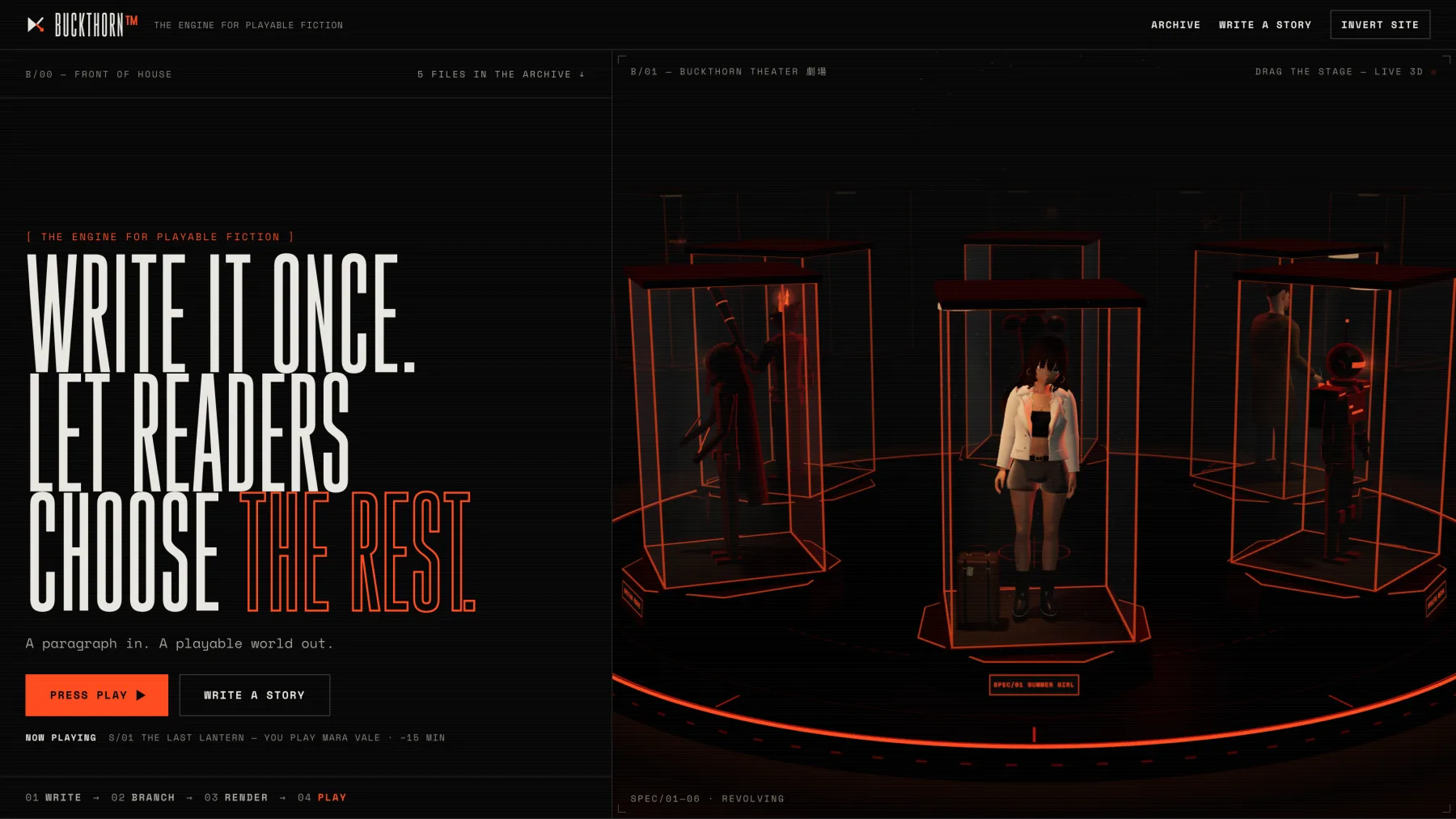
The live site: a revolving stage of 3D characters you can drag. 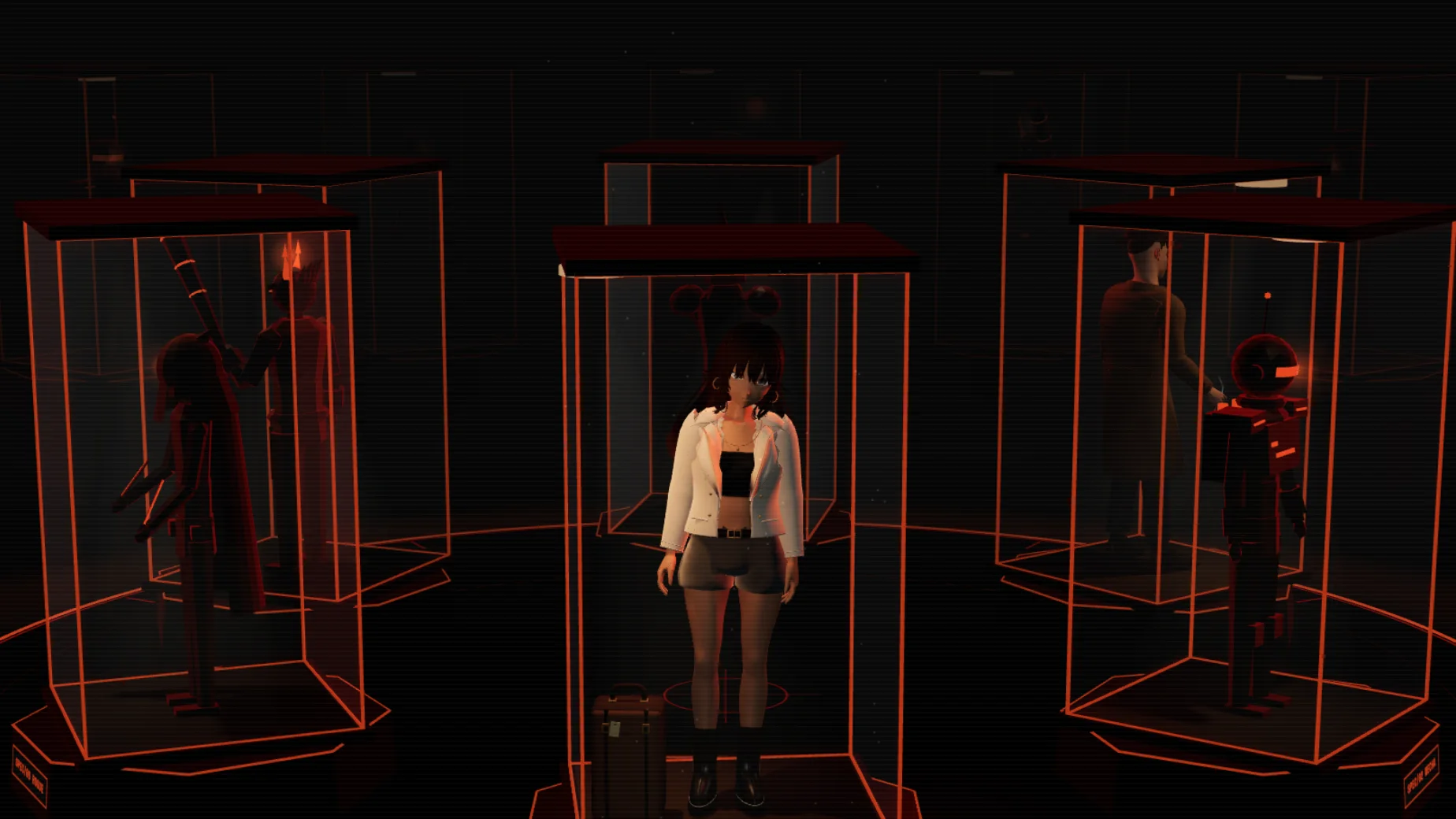
The stage up close. Every character is a live 3D model in the browser. 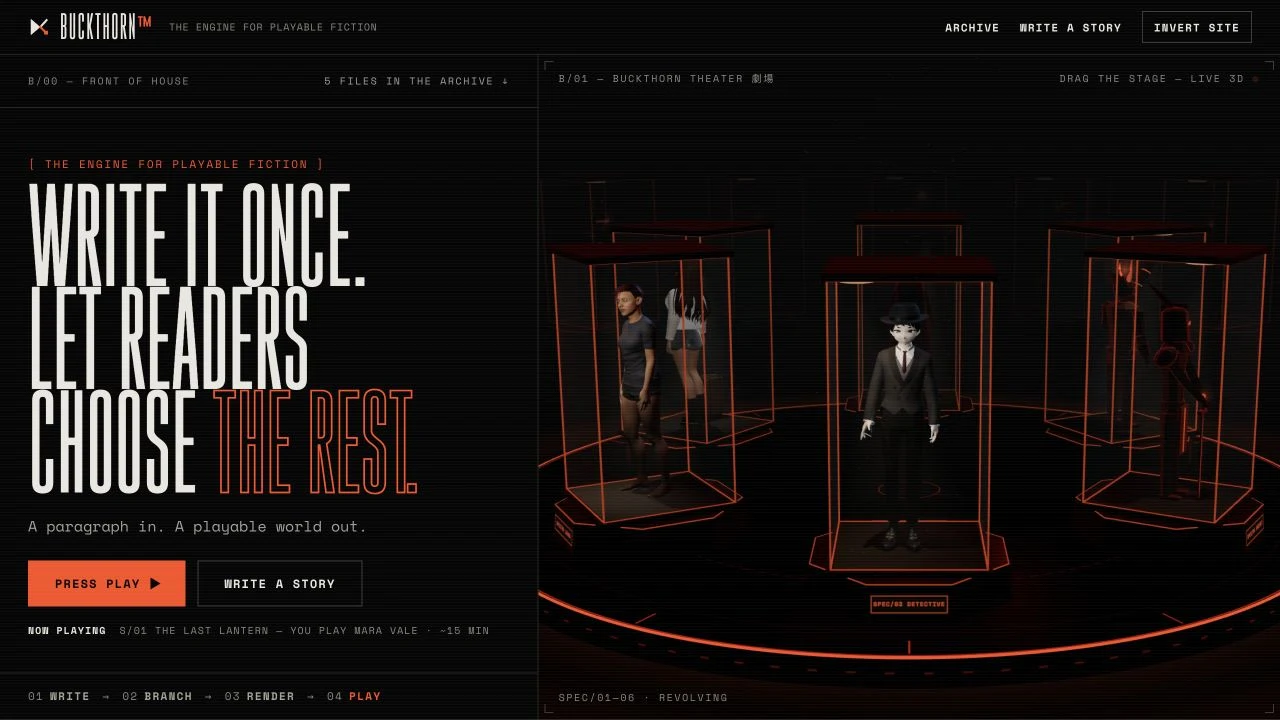
The home page: a revolving stage of glass cages, each with a live 3D character. 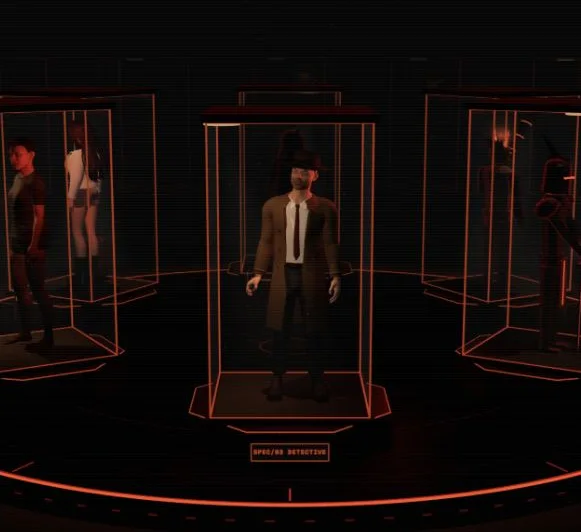
Amber cage lighting, rendered live in the browser with three.js. 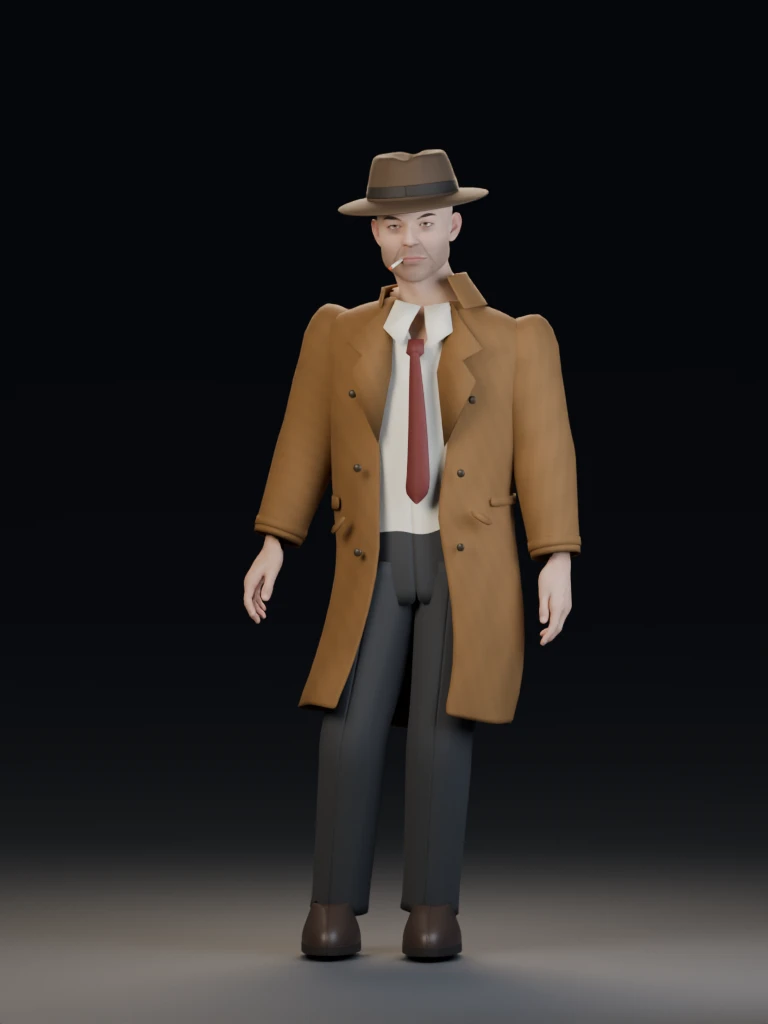
Raincoat detective: Daz Genesis 9 body, motion-capture idle, rendered in Blender. 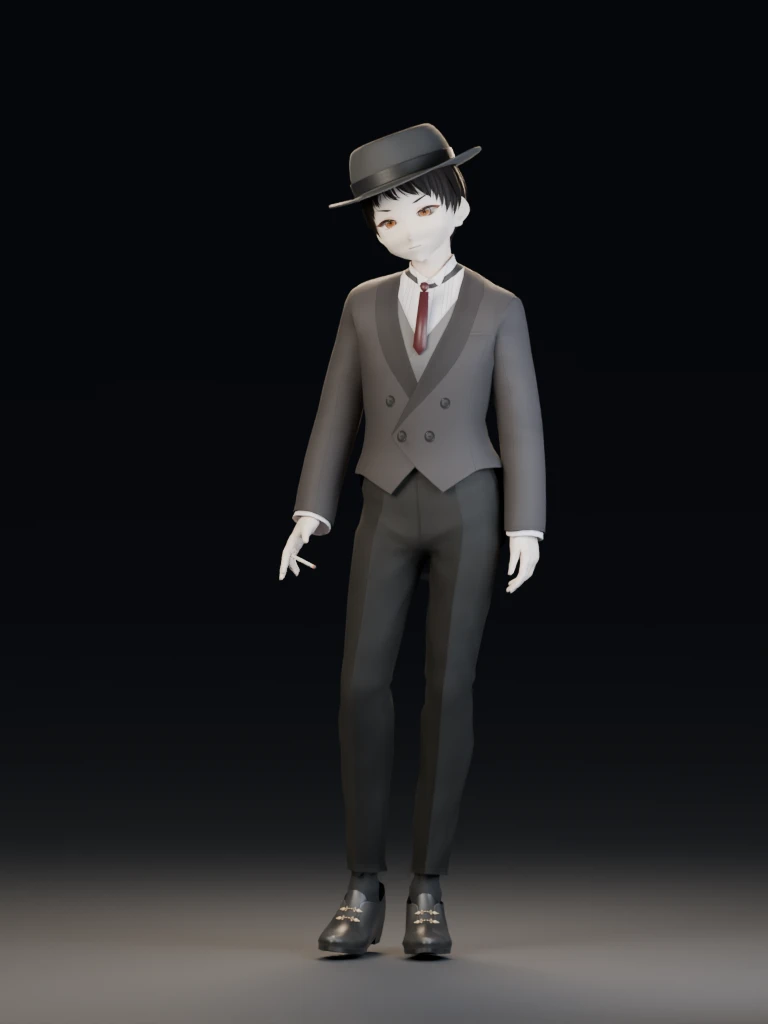
Noir detective, built in VRoid and lit in Blender for the stage. 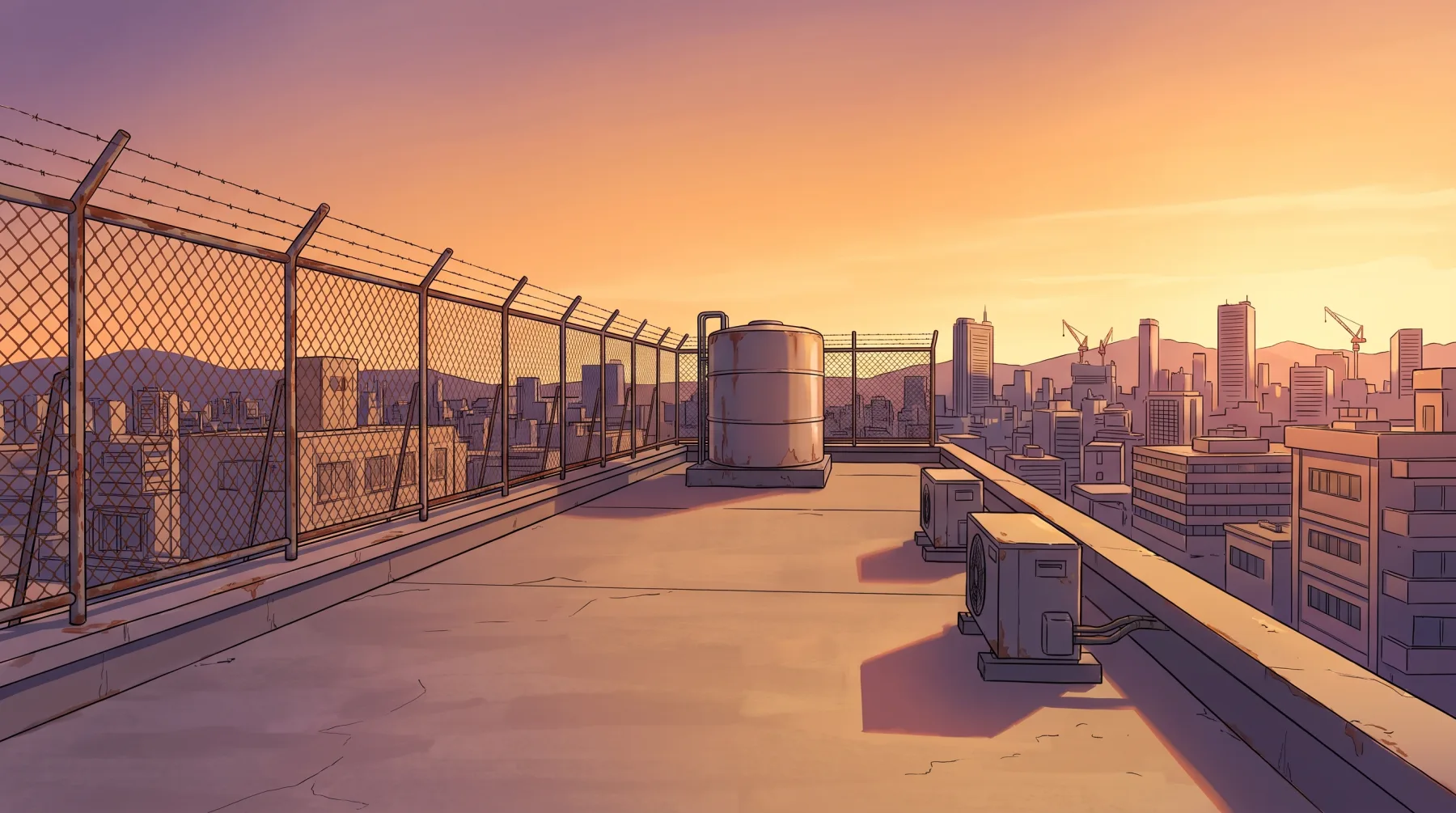
A rooftop at golden hour. Backgrounds are generated once, then frozen. 
One character, six expressions, all edited from a single reference sheet.
Buckthorn is an AI co-author and render engine for branching visual fiction. The goal: you write a paragraph, and it drafts the choices and endings, draws every scene, and hands you a story people can play.
What it is
Buckthorn is built to turn a paragraph into a playable, illustrated story. You write the premise in plain language. Buckthorn drafts the choices, the consequences and the endings. It gives every scene a picture with the same characters in it, and publishes the result as a link that readers can play and replay until they have found every ending.
The loop has four steps: write, branch, render, play. The branches are authored, not improvised. The writer stays in charge of the story, and the engine does the work that used to take a studio.
Why it matters
A story where the reader chooses has always been expensive. Every fork needs writing, every scene needs art, and every path has to make sense. So most choice-driven fiction comes from studios, and most writers ship one ending, in text.
Two things changed. Image models can now hold a character's face from scene to scene, and language models can draft structure. What was still missing is an engine that keeps a branching story logically sound and keeps the art consistent on every branch. That is what I am building.
I write branching stories, design games, make comedy sketches and build engines. Buckthorn is where all of that meets.
What is built
The story engine. A deterministic engine in TypeScript with no randomness inside it. It plays a story, maps every path through it, and reports problems before a reader finds them: endings no one can reach, answers that change nothing, rules that hide other rules. A model can draft a whole story from a paragraph, and the engine audits that draft before anyone reads it. The newest part, the Skeleton Builder, assembles the bones of a branching story from a library of patterns and shows why each piece was chosen.
The image pipeline. To keep a character the same on every branch, I ran a bake-off between three image models: one reference sheet, three poses, six expressions plus blink and mouth frames, and three backgrounds. The best model held identity at about 2% body drift, and a full set of sprites for one character cost around $4.40. Faces are patched onto an approved body, backgrounds are generated once and frozen, and every accepted image is stored under a hash of its spec.
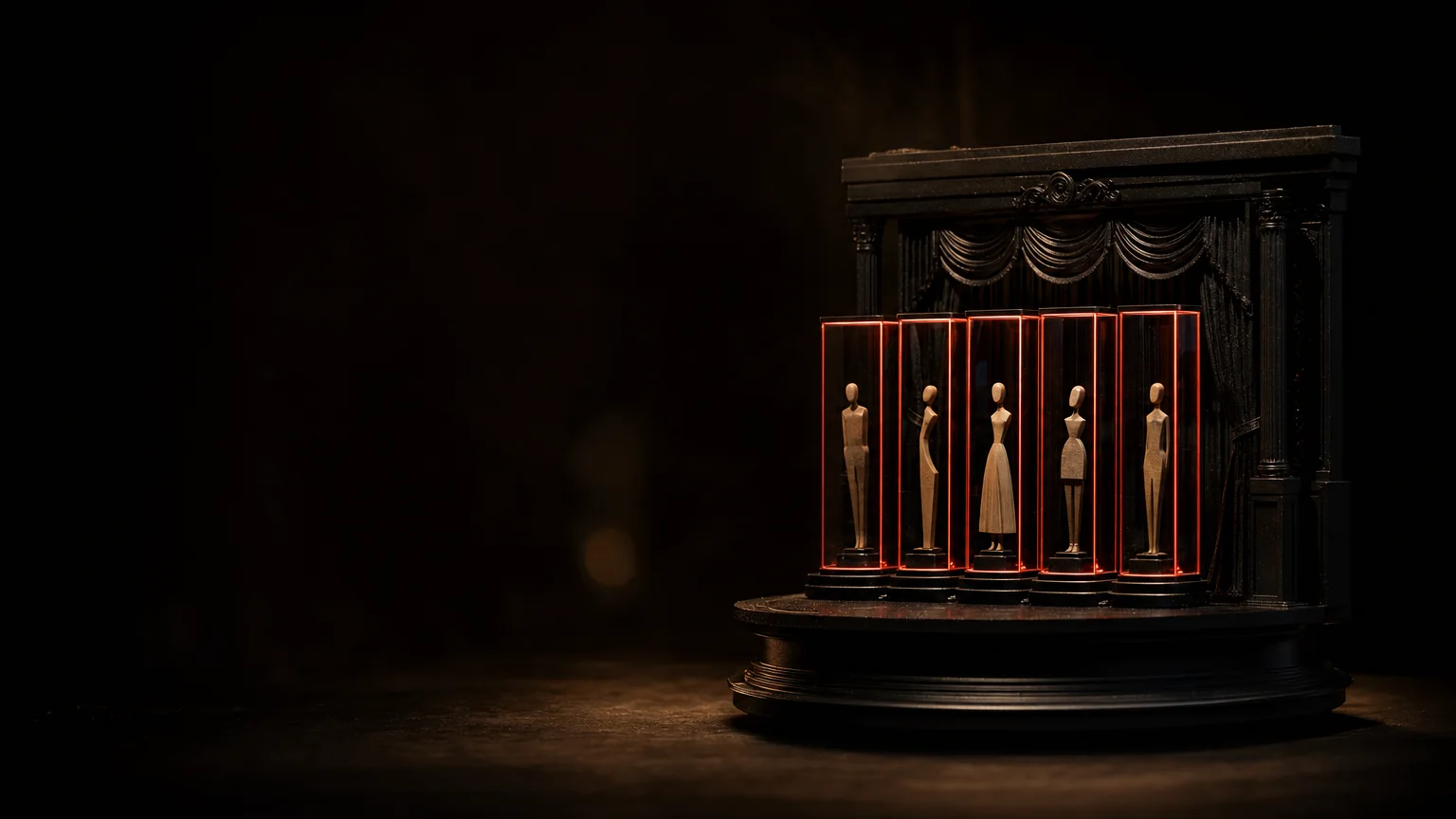
The website prototype. A Vite, React and three.js site with a revolving stage of glass cages, each holding a live 3D character that breathes and moves. Behind it sit a story player with picture, text and sound, five sample stories, and a first prototype of the Forge, the seven-step flow from an idea to a published story.
The cast. The characters on the stage are real 3D: a noir detective made in VRoid, a raincoat detective on a Daz Genesis 9 body with motion-capture animation, and a toon character I built in Blender entirely from Python scripts, with a 28-bone rig, four gestures and a 273 KB web file.
How I build it
I design the engine and set its rules, and I keep the bar high: the story engine alone has 88 test files.
Where it stands
Buckthorn is at pre-seed. The alpha with early creators comes first, then a private beta with a visual branch editor and one-click publishing, then a public beta with a reader marketplace. Creators will pay monthly to render and publish. Readers will be able to buy premium stories, with a share going to the author.
If you back early creative tools, or you write stories that branch, I would like to talk.
Next project

Please Rate Your Stay
Say yes, and the house keeps you.